Artificial intelligence is frequently discussed as a force that will replace human jobs. Headlines often suggest a future where machines replace the humans. From a business perspective, however, the reality is far more practical and balanced.
Artificial intelligence is changing how work is performed, but it is not eliminating the need for humans. This article explains how AI affects jobs in business environments, which roles are most influenced, and why human skills remain essential.
Career concerns are easier to evaluate when you understand how to learn artificial intelligence – Beginners
Understanding AI’s Role in Business Workflows
In business settings, artificial intelligence is typically used to support specific processes rather than replace entire job roles. AI systems are designed to analyze data, automate repetitive actions, and assist with structured decision-making.
Businesses adopt AI to improve efficiency and consistency, not to remove human involvement entirely. Most AI tools operate within clearly defined boundaries and depend on human input, supervision, and interpretation.
Understanding this limited role helps businesses avoid unrealistic expectations about automation.
Jobs vs Tasks: An Important Distinction
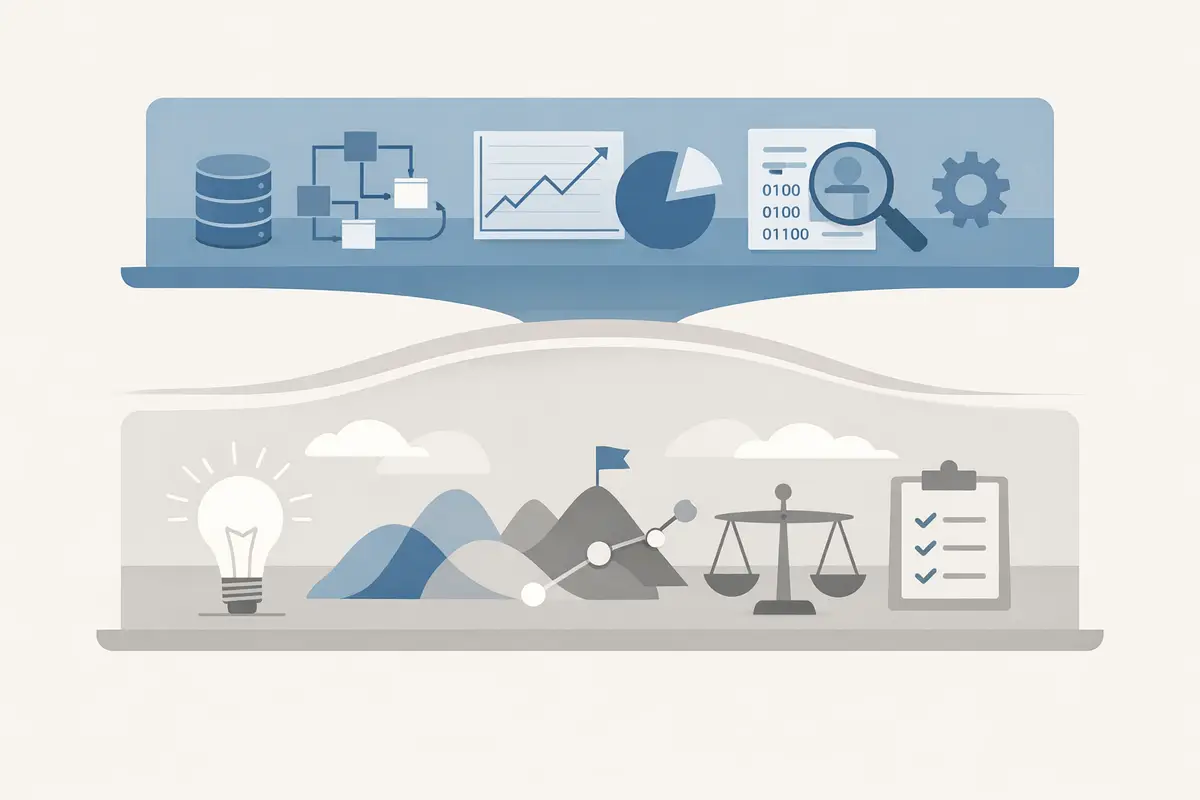
One of the most common misunderstandings about AI is the belief that it replaces complete jobs. In practice, AI replaces or automates individual tasks, not entire roles.
Most jobs consist of multiple responsibilities, such as:
- Communication with colleagues or customers
- Decision-making based on context
- Problem-solving and adaptability
- Ethical and professional judgment
AI may automate certain repetitive or data-heavy tasks within a role, but other responsibilities continue to require human involvement. As a result, jobs often evolve rather than disappear.
Tasks AI Can Perform Effectively
From a business perspective, AI performs best when tasks are:
- Repetitive and predictable
- Based on structured data
- Clearly defined with specific rules
- Focused on speed and consistency
Examples include scheduling, data entry, basic reporting, sorting information, and handling routine inquiries. Automating these tasks allows employees to focus on higher-value work that requires human insight. Many of these task-based changes are already visible in how small businesses apply artificial intelligence.
Business Roles Most Affected by AI
AI tends to influence roles where work is highly standardized and relies heavily on data.
Business areas that often experience changes include:
- Administrative support
- Data processing and analysis
- Basic customer service tasks
- Routine operational functions
In these cases, AI usually changes how work is performed rather than eliminating the role itself. Employees may spend less time on repetitive tasks and more time on oversight, communication, or problem-solving.
Roles That Remain Strongly Human-Centered
Many business roles rely on skills that artificial intelligence cannot replicate.
Human-centered skills include:
- Emotional intelligence and empathy
- Ethical judgment and responsibility
- Leadership and negotiation
- Creative and strategic thinking
- Understanding social and cultural context
These abilities are critical in management, customer relationships, innovation, and long-term planning. AI systems do not possess awareness, values, or accountability, which keeps humans central to these roles.
How AI Creates New Business Roles
While AI changes some jobs, it also creates new responsibilities and opportunities within businesses.
Organizations using AI often need people to:
- Monitor and manage AI systems
- Interpret AI-generated insights
- Maintain data quality
- Ensure responsible and ethical use
These roles require human judgment and understanding. As a result, AI adoption often leads to job transformation rather than job elimination.
Productivity Gains vs Workforce Reduction
From a business perspective, the main motivation for using AI is productivity improvement, not workforce reduction.
Businesses use AI to:
- Handle growing workloads efficiently
- Reduce errors in repetitive processes
- Improve consistency and speed
In many cases, AI allows businesses to grow without overwhelming employees, rather than replacing them. Productivity gains usually come from better tools, not fewer people.
Risks of Over-Automation in Business
Over-reliance on AI can create challenges if businesses attempt to automate too much too quickly.
Potential risks include:
- Reduced flexibility in handling unique situations
- Loss of personal interaction with customers
- Overdependence on automated outputs
- Declining employee engagement and trust
Successful businesses balance automation with human involvement to avoid these risks.
Preparing Employees for AI-Supported Work
Businesses that adopt AI responsibly focus on preparing their workforce rather than replacing it.
Preparation strategies include:
- Training employees to work alongside AI tools
- Developing analytical and decision-making skills
- Encouraging adaptability and continuous learning
This approach helps employees feel supported and ensures smoother integration of AI systems.
The Importance of Human Oversight
Artificial intelligence does not understand intent, ethics, or consequences. It operates based on patterns and probabilities derived from data.
For this reason, human oversight remains essential. Businesses must ensure that:
- Humans review important decisions
- Accountability is clearly defined
- Ethical considerations are addressed
AI should support human judgment, not replace it. This balance is especially important in areas like customer support, where human interaction remains critical.
Setting Realistic Expectations About AI and Jobs
Unrealistic expectations about AI often lead to fear or disappointment. Businesses benefit from viewing AI as a long-term support tool rather than a disruptive replacement.
Starting with small, well-defined use cases allows organizations to evaluate benefits and limitations gradually. This measured approach reduces risk and builds trust.
Conclusion
Artificial intelligence is changing how work is performed in business environments, but it is not replacing human jobs in a simple or complete way. AI primarily automates tasks, supports decision-making, and improves efficiency.
Human skills such as judgment, creativity, empathy, and responsibility remain irreplaceable. Businesses that treat AI as a supportive tool rather than a substitute for people are better positioned to adapt, grow, and operate responsibly in the long term.
Job displacement concerns often stem from misunderstandings about artificial intelligence vs human intelligence.